


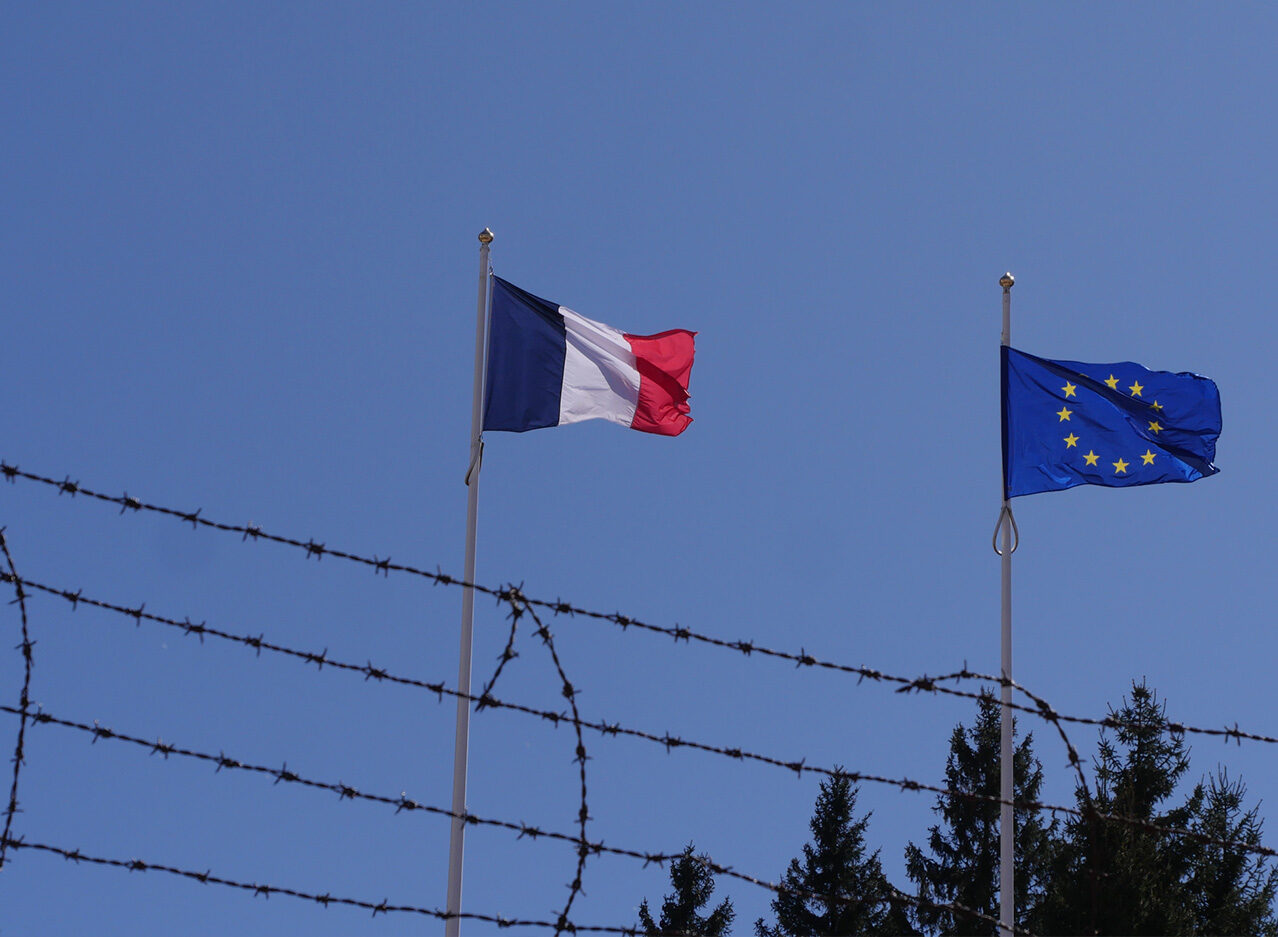
The Memorial and its missions
Through its spaces for contemplation, its educational initiatives and its exhibitions, it recounts the fate of the men and women who were imprisoned because of their resistance, their origins or their beliefs.
This place of remembrance invites us to reflect on violations of human dignity and to remain vigilant towards the excesses of intolerance, hatred and forgotten history.
To preserve, understand and convey: this is the memorial’s mission, so that the values of freedom and humanity live on in the minds of present and future generations.
Since 2005, when the European Centre of Deported Resistance Members was inaugurated by the President of the French Republic, Jacques Chirac, the Office national des combattants et des victimes de guerre (National Office for Veterans and Victims of War) has been responsible for managing, maintaining and promoting this important site of national remembrance.
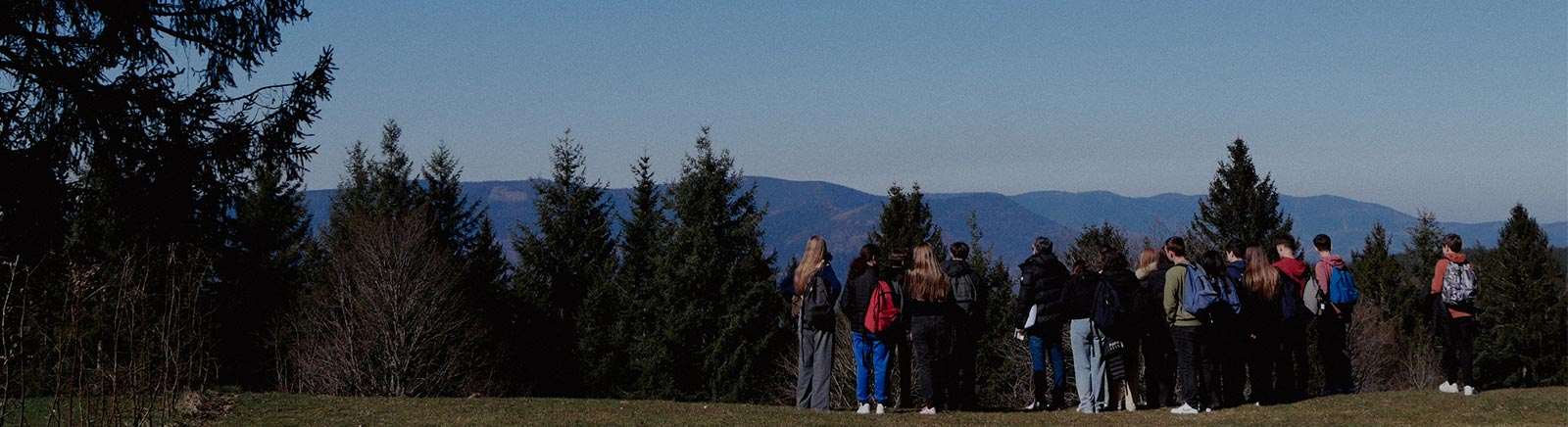
Keep the memory alive to understand. Understand in order to resist.
Honour the memory of the deportees of Natzweiler, not as a static remembrance, but as a source of inspiration and commitment to the present and the future.
The history of the camp is told through the stories of men and women — especially the 50,000 deportees — who were forcibly separated from their families, loved ones and their places of origin.
As the last remaining living witnesses pass away, the memories they carried risk fading away with them.
Every day, the memorial strives to preserve the memory of these lives: their faces, their expressions, their words and their actions. To pass on this memory is to uphold their humanity and to remind us of the dignity to which every human being is entitled.
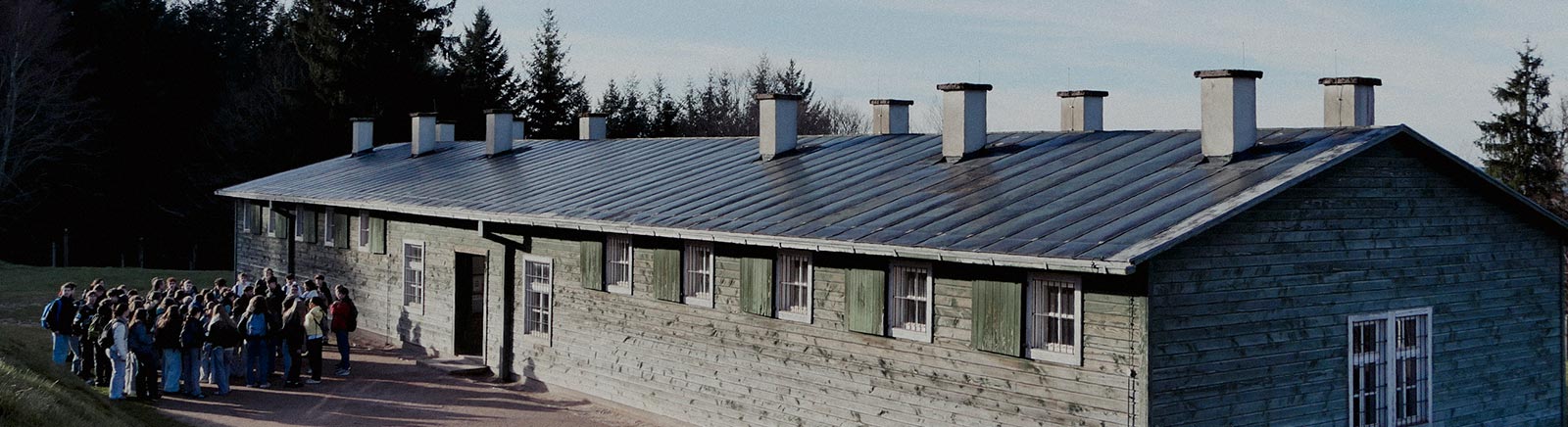
Hand down our knowledge to younger generations
The essential role of mediation
Every day, the Memorial’s mediators guide young people as they explore the site, through tours, workshops and specially adapted educational resources. Their mission is vital: preserve the memory of the deportees and pass it on, raise public awareness of the fight against intolerance and hatred, and encourage critical thinking and dialogue.
Through their commitment, they give future generations the chance to learn about the history of the camp and to draw lessons from it for the present and the future.

Shed light on history through research and collections
The memorial plays a role in broadening our knowledge of the history of the Natzweiler camp and the Nazi concentration camp system through its research, documentation and promotion of its collections. Archives, artefacts, eyewitness accounts and academic research reveal how the camp operated, the experiences of the deportees and the realities of everyday life in the concentration camp. Working in collaboration with researchers, partner institutions and academia, the memorial helps to foster a deeper understanding of this history, which is essential to its preservation.
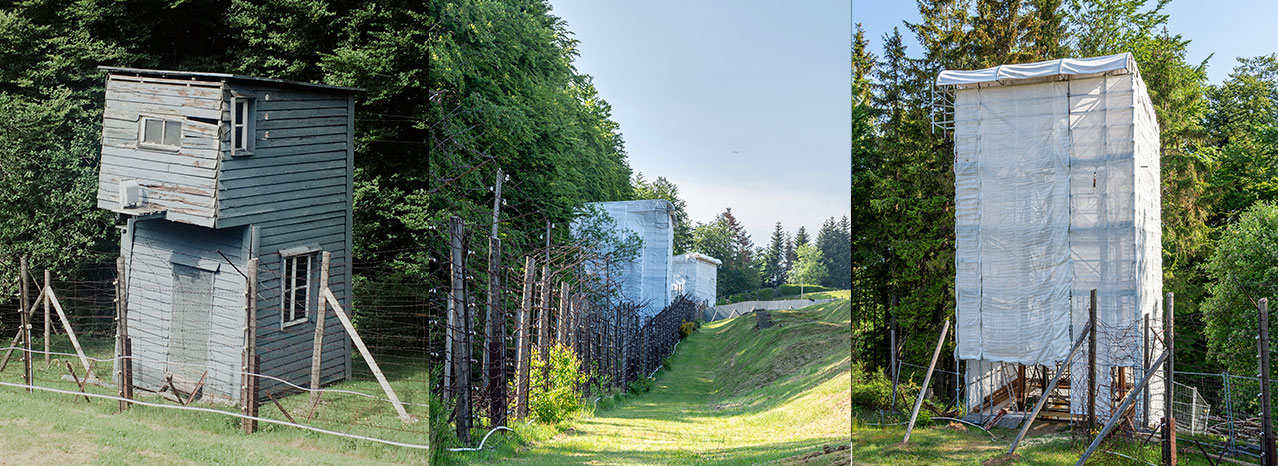
Preserve the legacy of the historical remains
Preserving the remains of the camp is a fundamental responsibility of the memorial. Listed as a Historic Monument since 1950, and in its entirety since 2011, the site is a constant focus of care and attention in order to preserve this exceptional heritage of remembrance.
Exposed to the effects of the weather, climate and visitor activity, the remains require regular maintenance, restoration and safety work. By preserving these physical traces, visitors can be confronted with the reality of the place and fully grasp its historical and commemorative significance.
European Heritage Label
Since 2018, the site of the former Natzweiler-Struthof concentration camp and several of its subcamps have been awarded the European Heritage Label. This distinction, awarded by the European Union, recognises their significance in European history and remembrance.
Jointly promoted by the Natzweiler-Struthof Concentration Camp Memorial and several German memorial sites, this Franco-German label highlights the vital role these sites play in conveying the history of deportation and Nazi crimes, as well as the values of peace, reconciliation and democracy.
In France, the label has been awarded to the Natzweiler-Struthof camp, the Fort de Metz-Queuleu and the Urbès tunnel. Twelve memorials to subcamps located in Baden-Württemberg, Germany, are also part of this European memorial complex.
For further information