


The memorial’s collections
The memorial’s collections continue to evolve and have benefited from significant additions in recent years. They help to broaden historical and scientific knowledge of the site, whilst providing material for the museum’s permanent exhibition, temporary exhibitions and the memorial’s cultural and educational programme.
A vast and highly diverse collection
The memorial’s collections now comprise around 8,500 objects and documents spanning several periods in the site’s history:
- before 1941, the date on which the concentration camp opened;
- the Nazi concentration camp period between 1941 and 1944;
- the internment camp from 1944 to 1945;
- the French penitentiary between 1944 and 1949;
- as well as the memorial period since the 1950s.
These collections bear witness to many aspects of the camp’s history: the daily routine of prisoners and guards, the administrative and economic workings of the concentration camp system, the construction of the camp, as well as the forms of creativity, resistance and expression that emerged during imprisonment.
In particular, they comprise:
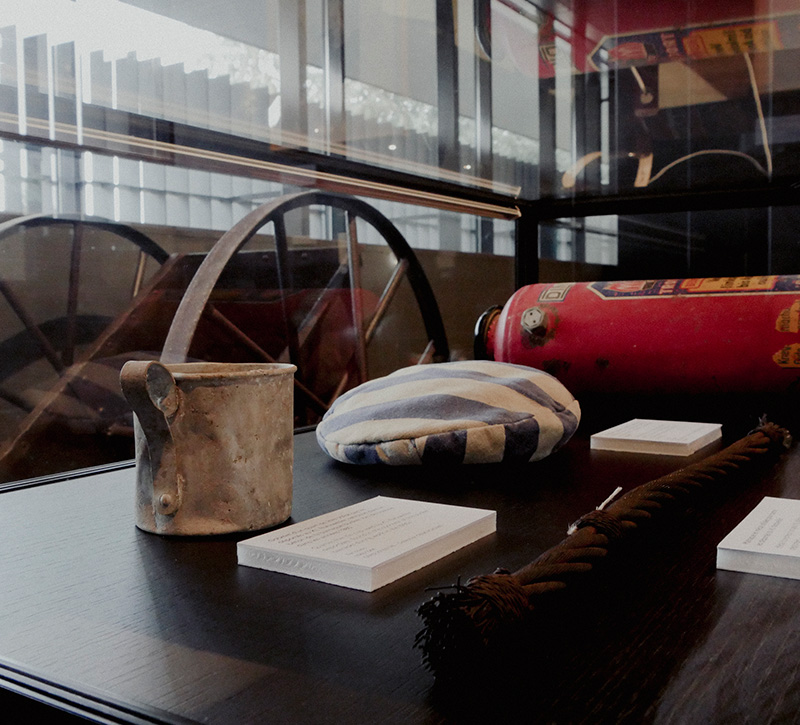
- clothing and everyday items;
- architectural items and materials;
- objects associated with the camp’s economic activities;
- leisure and sports equipment;
- photographs, postcards and commemorative items;
- works of art and artistic productions created by prisoners;
- as well as a substantial collection of documents comprising correspondence, plans, administrative records and old books.
Taken as a whole, this collection represents an essential part of our historical and commemorative heritage that helps us understand the history of the camp, the individual experiences of the deportees, and the processes of remembrance that have developed since the Liberation.
Major challenges for conservation
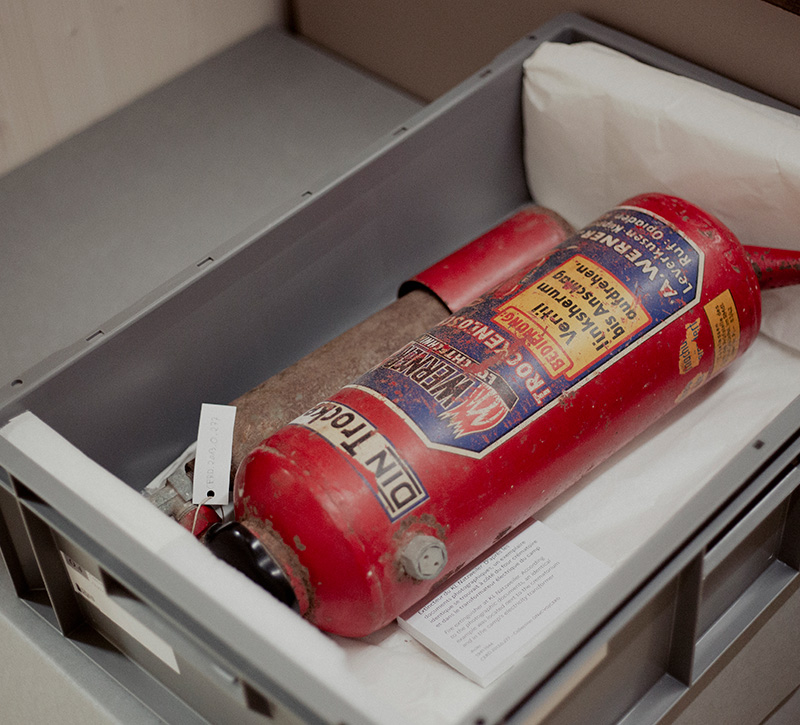
Preserving the collections is a fundamental challenge for the memorial. Weakened by time and often unique, these objects and documents need to be stored in the right conditions and require significant work when it comes to monitoring, cataloguing and restoring them.
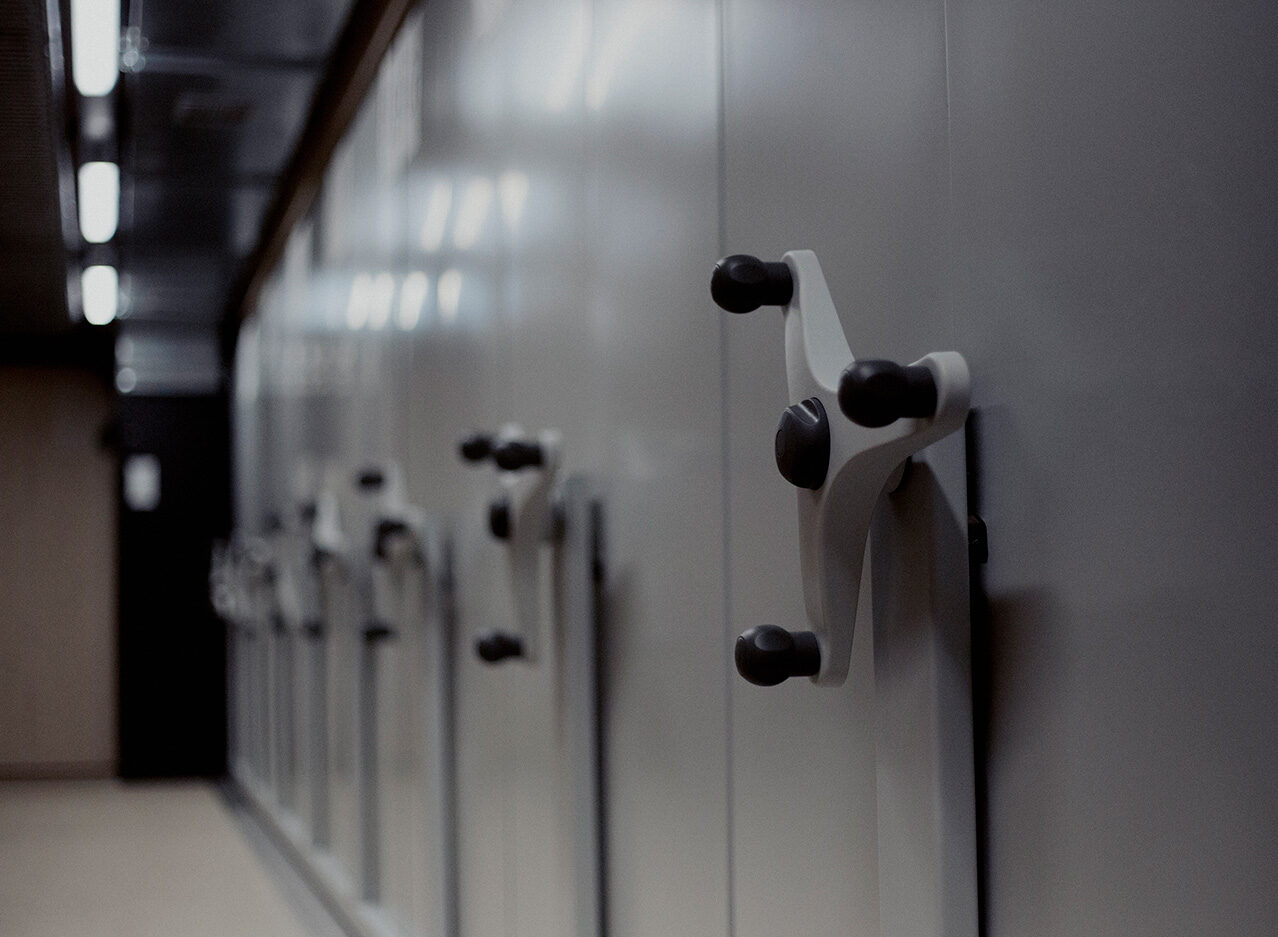
To cater for these needs, a new building dedicated to the collections and technical workshops was unveiled in 2025. Designed under the supervision of Pierre Dufour, chief architect of Historic Monuments, this space comprises 80 m² of storage areas furnished with some 225 linear metres of storage units.
The collections are kept in an environment with controlled conditions — temperature and humidity — which are essential for their long-term preservation.
Donations to the memorial
The vast majority of the objects preserved at the memorial come from donations made by private individuals, former deportees or their families.
Even today, the memorial regularly receives unsolicited donations. As the last eyewitnesses and their direct descendants gradually pass away, these initiatives play a vital role in preserving and handing down this history.
By donating an object, a document or a personal account to the memorial, people are helping to broaden our historical knowledge and ensure that this history is passed on to future generations.