The history of the Natzweiler concentration camp in annexed Alsace (1941-1945)
CONTENTS
- The major architectural projects of the Third Reich
- 50,000 prisoners
- Dehumanisation and death: the day-to-day reality of deportees
- End of the war and passing on the history of the camp
- For more details
The major architectural projects of the Third Reich
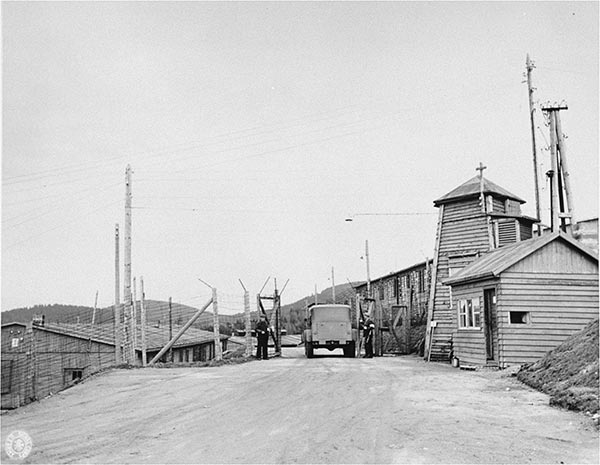
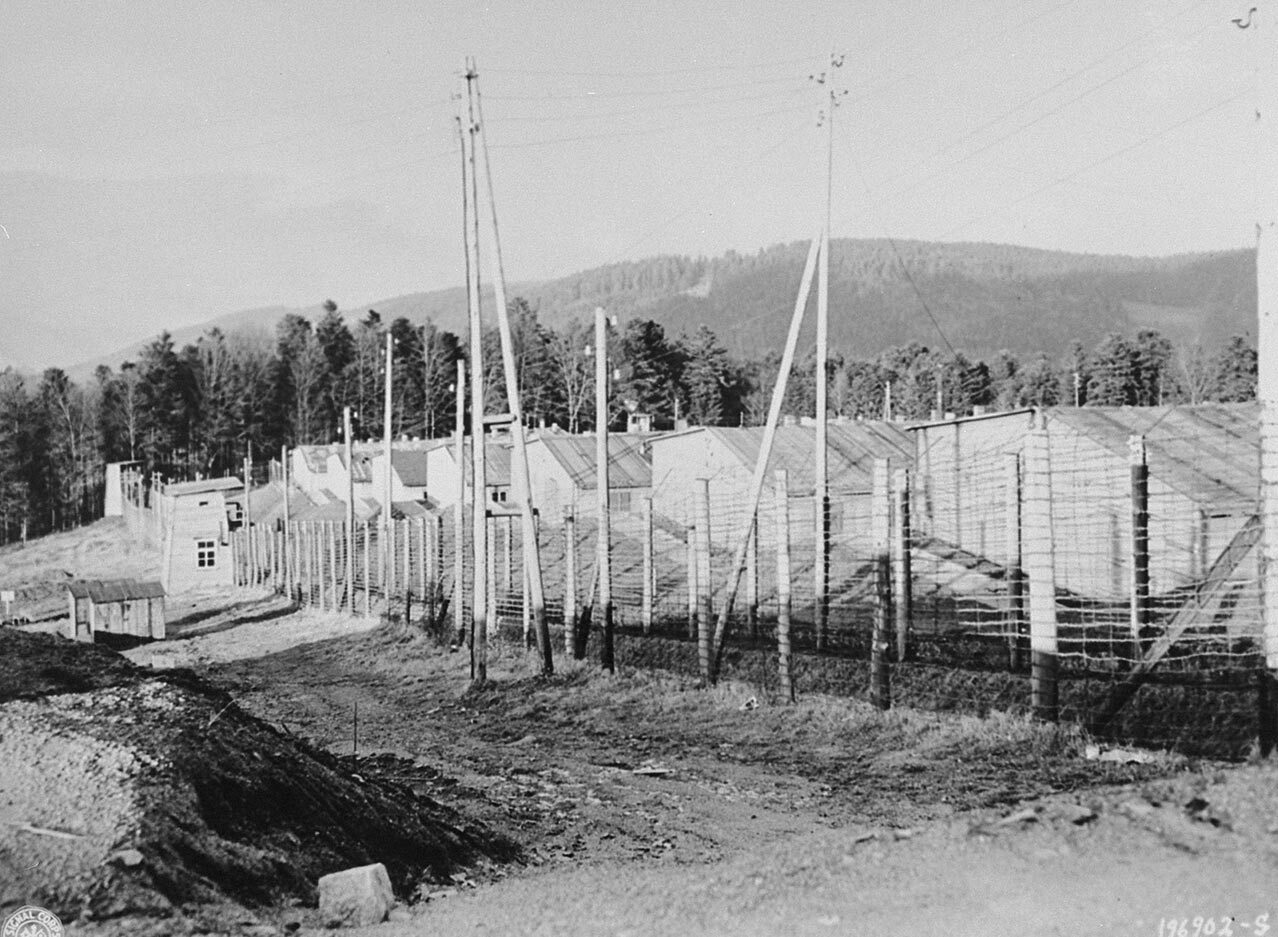
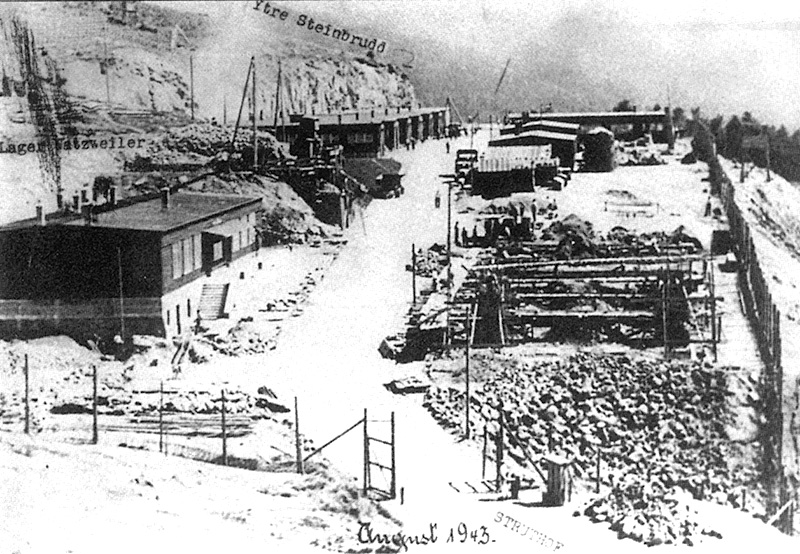
In May 1941, three hundred prisoners from the Sachsenhausen concentration camp arrived at the Struthof hostel, a popular pre-war ski resort among Strasbourg residents, located in the commune of Natzwiller in Alsace. These prisoners built the road and the camp around the hostel (low camp). Construction of the high camp, located at an altitude of 800 metres in the foothills of the Vosges mountains, began in 1942.
Natzweiler is the only concentration camp to have been built on French territory, in Alsace, which had been effectively annexed by Nazi Germany. Built to extract pink granite from a quarry to supply the Third Reich’s monumental architectural projects, from 1943 onwards the site began to exploit concentration camp labour to support the war economy. The quarry was turned into a centre for dismantling aircraft engines for Junkers, while 53 subcamps sprang up on both sides of the Rhine.
The camp was also the scene of sinister medical experiments. In April 1943, a gas chamber was constructed in the ballroom where 86 Jews were murdered in August for Professor Hirt’s collection of Jewish skeletons. The construction of the camp was completed with the relocation of the crematorium, located near the hostel, to a building inside the camp in October 1943.
50,000 prisoners
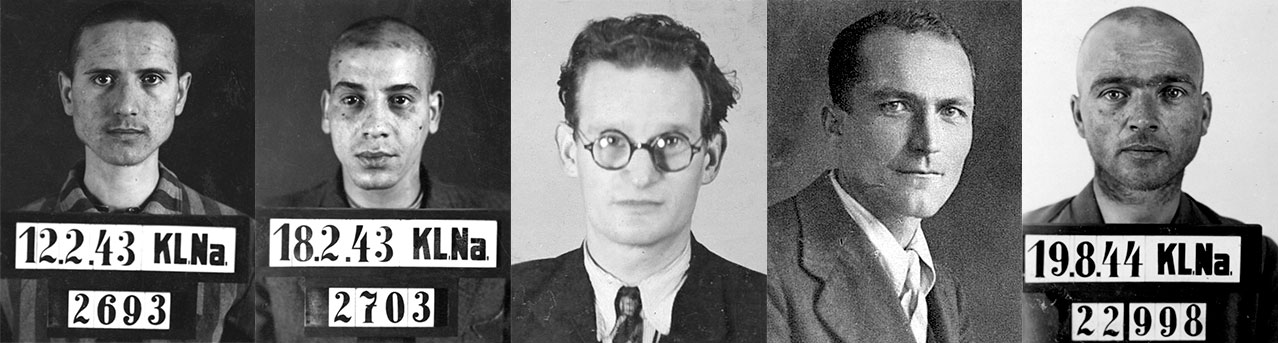
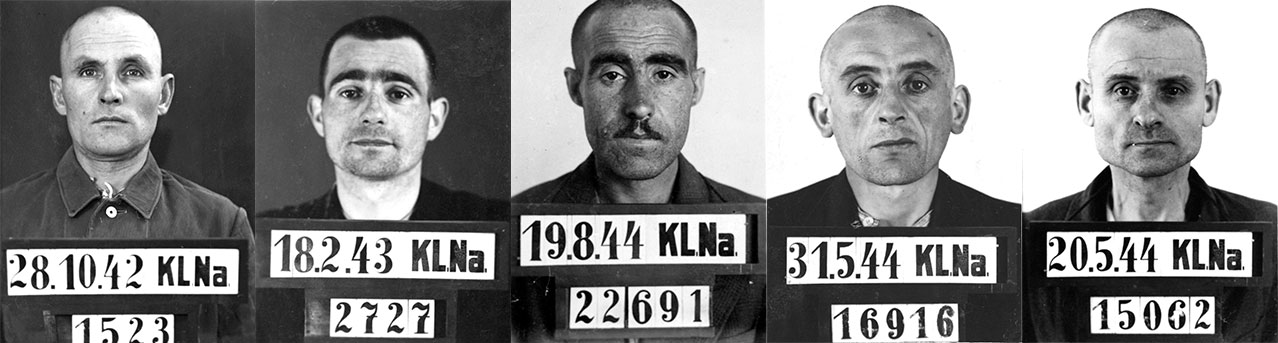
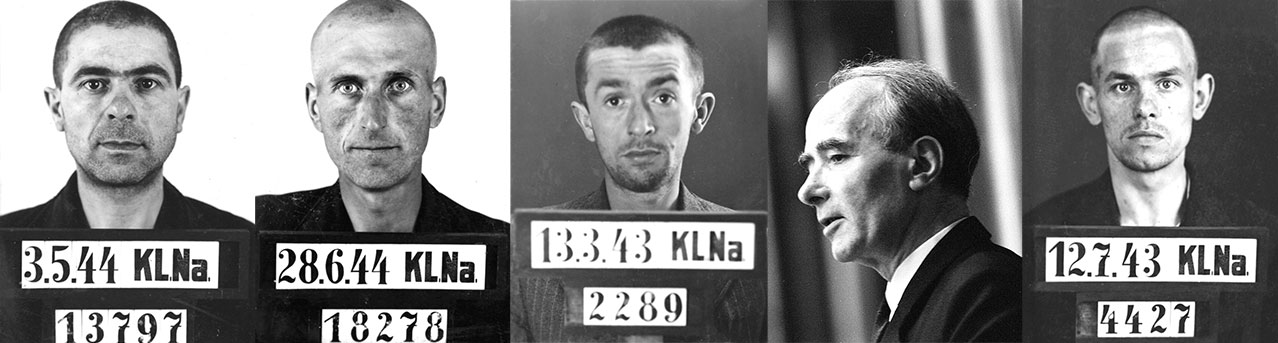
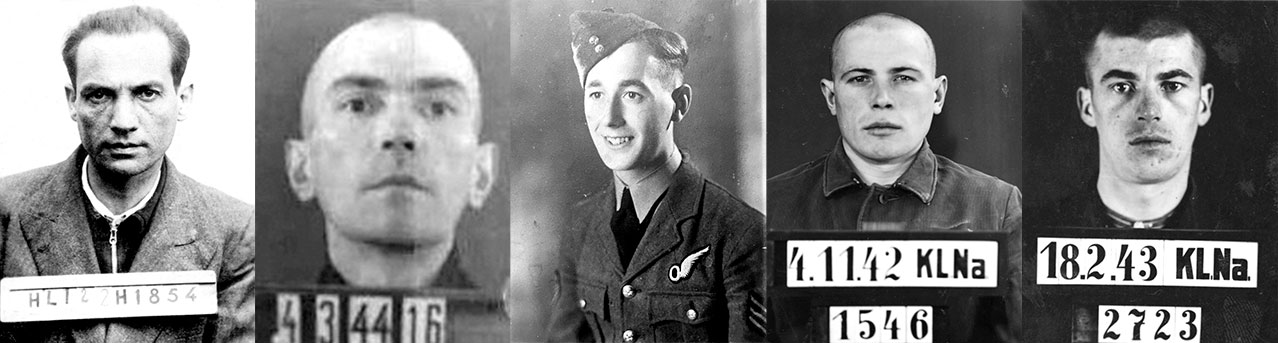
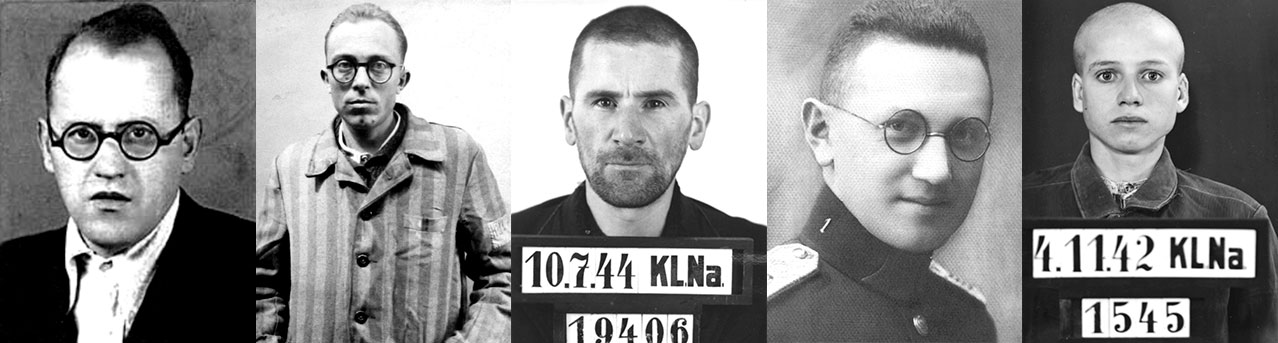
Between 1941 and 1945, 50,000 prisoners were detained in the camp and its subcamps, from a wide range of backgrounds: political opponents, members of the resistance, Polish and Soviet forced labourers, Jews, Gypsies, homosexuals, criminals, anti-social elements, Jehovah’s Witnesses…
The deportees comprised more than thirty nationalities, with the majority being Polish, Russian and French.
Based on research updated in 2025, it is now possible to identify 51 nationalities by referring to the countries of birth of the deportees in relation to the political geography of the present-day world.
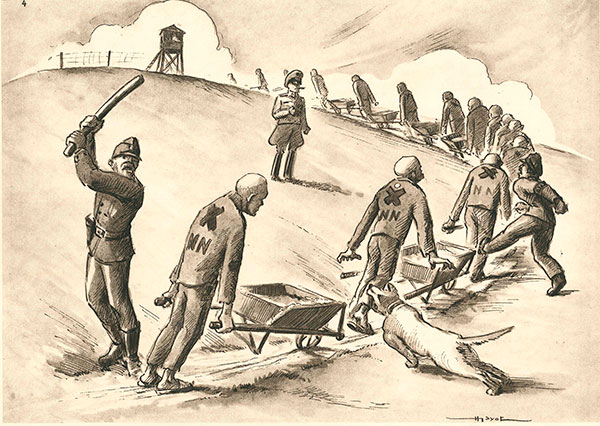
From September 1943 onwards, KL Natzweiler was designated to receive all male Nacht und Nebel (translated from German: Night and Fog) prisoners from Western Europe. These prisoners, many of whom were members of the resistance, were destined to disappear without a trace.
Note: The nationalities listed below are established based on the current countries of birth of the deportees
Dehumanisation and death: the day-to-day reality of deportees
Detention conditions were exceptionally harsh. The prisoners were crammed into 13 barracks, plus two additional barracks (offices and kitchens) and the prison and crematorium barracks further down.
Extreme weather conditions, devouring hunger, insufficient hygiene, constant violence, and exhausting labour in the quarries or subcamps were all factors that accounted for the high mortality rate.
The camp was also the scene of hundreds of executions by hanging or shooting of prisoners registered at the camp or prisoners sent by the Nazi security police (Sipo-SD), such as the thirteen young men from Ballersdorf who refused to join the Wehrmacht and were shot on the 17th of February 1943, or the 106 resistance fighters from the “Alliance” network and the 35 maquis from the Mobile Group of Alsace-Vosges who were murdered during the night of the 1st to the 2nd of September 1944.
From 1941 to 1945, approximately 17,000 deportees died in the Natzweiler concentration camp complex, including 3,000 in the main camp, representing a mortality rate of approximately 40%.
End of the war and passing on the history of the camp
On the 25th of November 1944, a detachment from the 3rd US Infantry Division stumbled upon an empty camp, where 6,000 prisoners had been evacuated in September. However, the ordeal went on until the end of April 1945 for the deportees, who were transferred to Dachau and the subcamps of Natzweiler, which, unusually, continued to exist without the main camp.
After its liberation in 1949, the camp was reused by the French authorities, first as a prison camp for collaborators and then as a penitentiary.
The French authorities were quick to develop a memorial project on the site. The camp was listed as a historic monument in January 1950, and a conservation project was drawn up the following year. Designed as a mausoleum for the thousands of bodies that disappeared in the crematorium, the Memorial to the Heroes and Martyrs of the Deportation was inaugurated by General de Gaulle on the 23rd of July 1960. The monument, which stands 40 metres tall and can be seen from the valley, represents a flame and features the emaciated silhouette of a deportee on its inner façade. The remains of an unknown deportee, a symbol of the victims of the camps, and 14 urns containing earth or ashes from the various concentration camps, lie in a vault at the foot of the Memorial. 1,117 bodies exhumed from Nazi camps and prisons lie in the adjacent national necropolis.
The primary mission of the Natzweiler-Struthof Memorial is to educate the public, particularly young people, about the history of the Natzweiler concentration camp complex and its prisoners, the Resistance against Nazism, and the remembrance of the victims.